Headboard Styles
Headboards are as much a design statement as they are a functional element. Whether your project calls for a tailored silhouette or an architectural shape, understanding the profile of each style helps you make the best selection for your client's space.
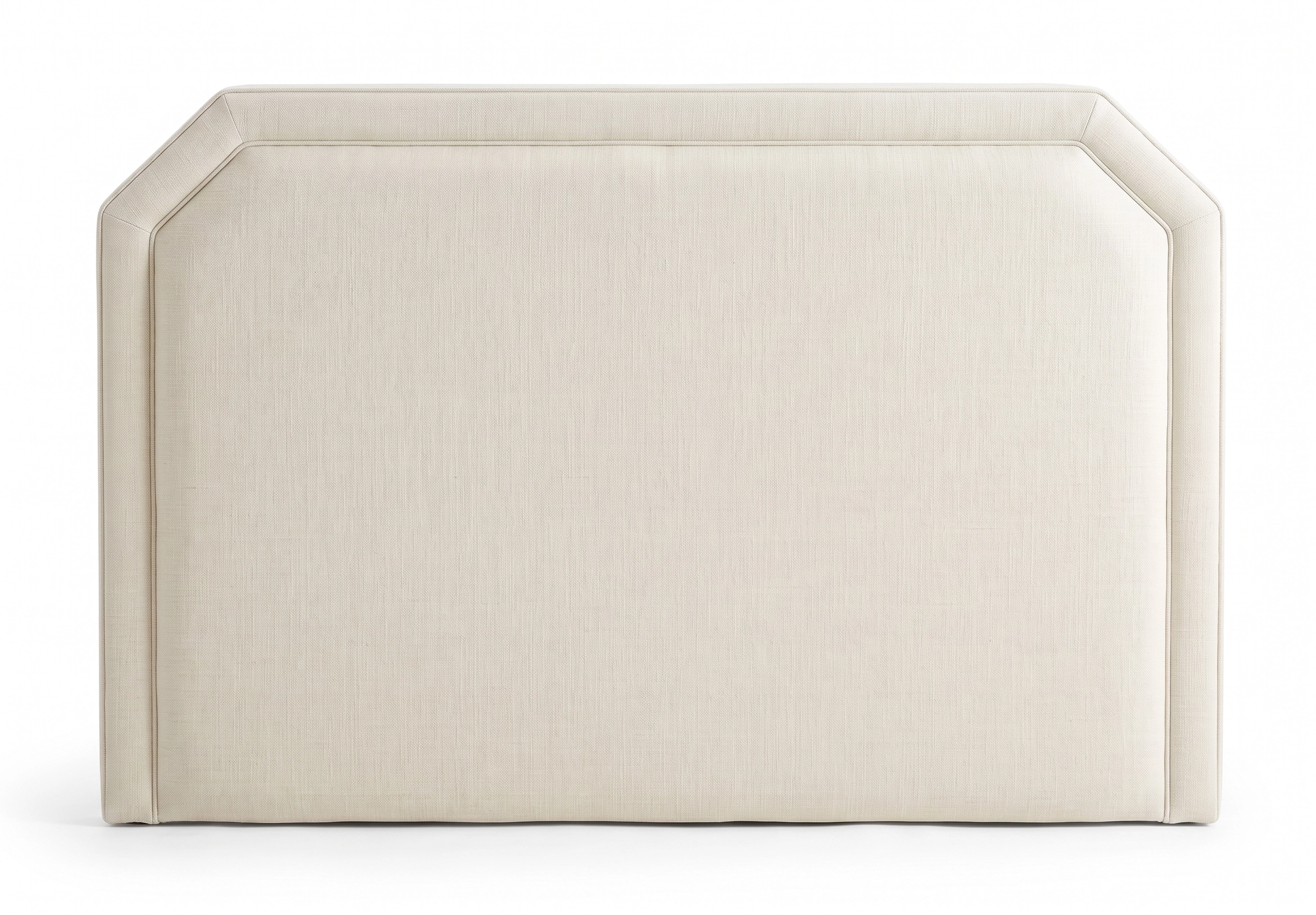
Chamfered Panel
A rectangular silhouette with the two top corners cut at a 45-degree angle, with the rest of the top edge straight and flat. The chamfered cut gives what is otherwise a traditional panel headboard a quietly contemporary edge, making it a versatile choice across both classic and transitional interiors.
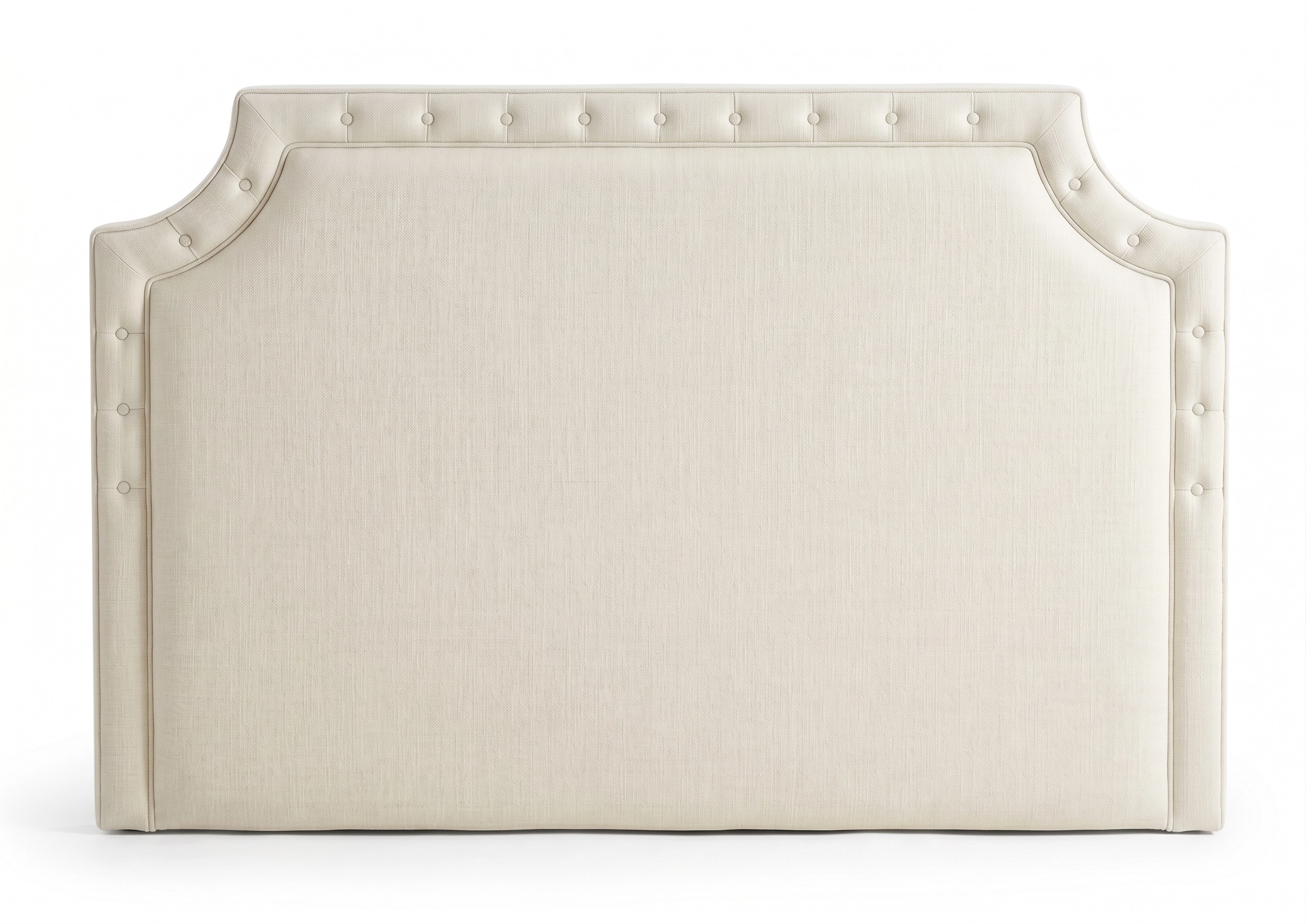
Raised Post
A rectangular headboard with two raised square corner posts. Between the posts, the top edge steps down and features two small concave notches where the posts meet the center section. This profile draws from classic Georgian and Regency furniture traditions, giving beds a formal, architectural presence suited to grand bedrooms and period-inspired interiors.
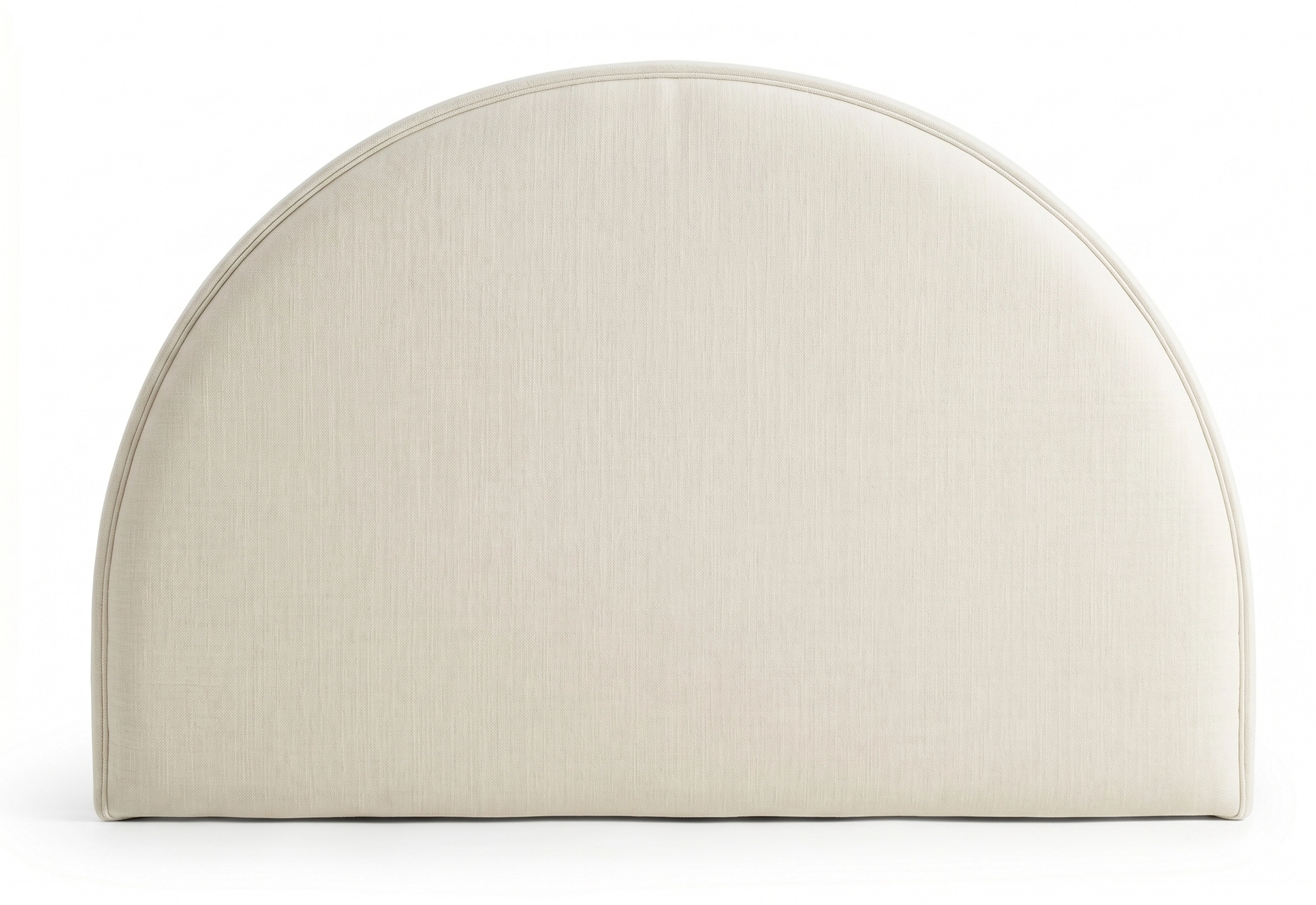
Semicircular Arch
A clean, true half-circle arch — straight sides at the bottom smoothly curving to a single rounded peak. One of the most classic headboard profiles in upholstered furniture, its simplicity makes it an excellent canvas for statement fabrics and detailed upholstery work, translating effortlessly into both traditional and modern settings.
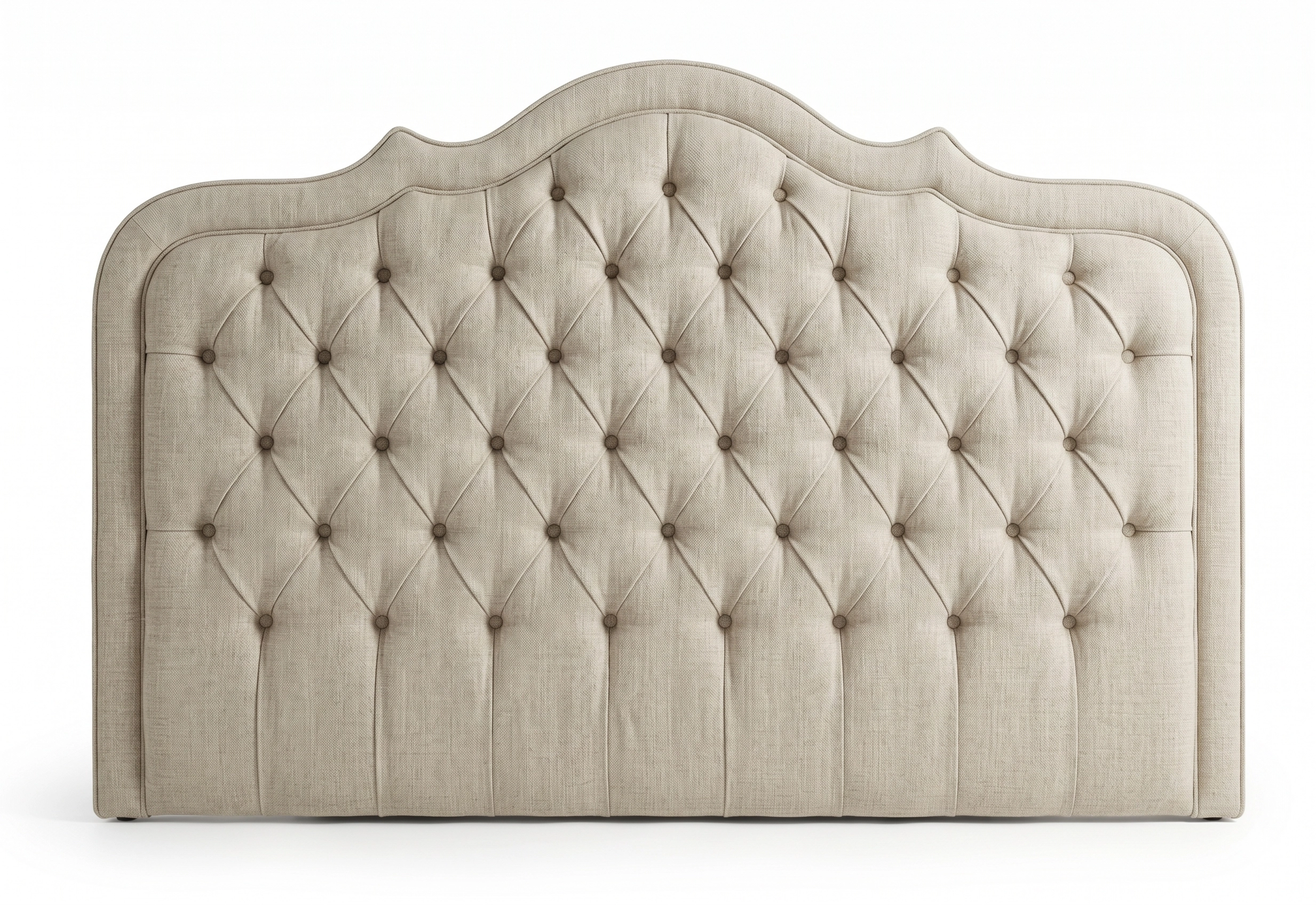
Triple Scallop
Three rounded bumps across the top with rounded corners, the bumps relatively even in size. This ornate profile evokes Baroque and Rococo decorative traditions, adding playful elegance and movement to the top line. A standout choice for rooms that embrace pattern and decorative detail.
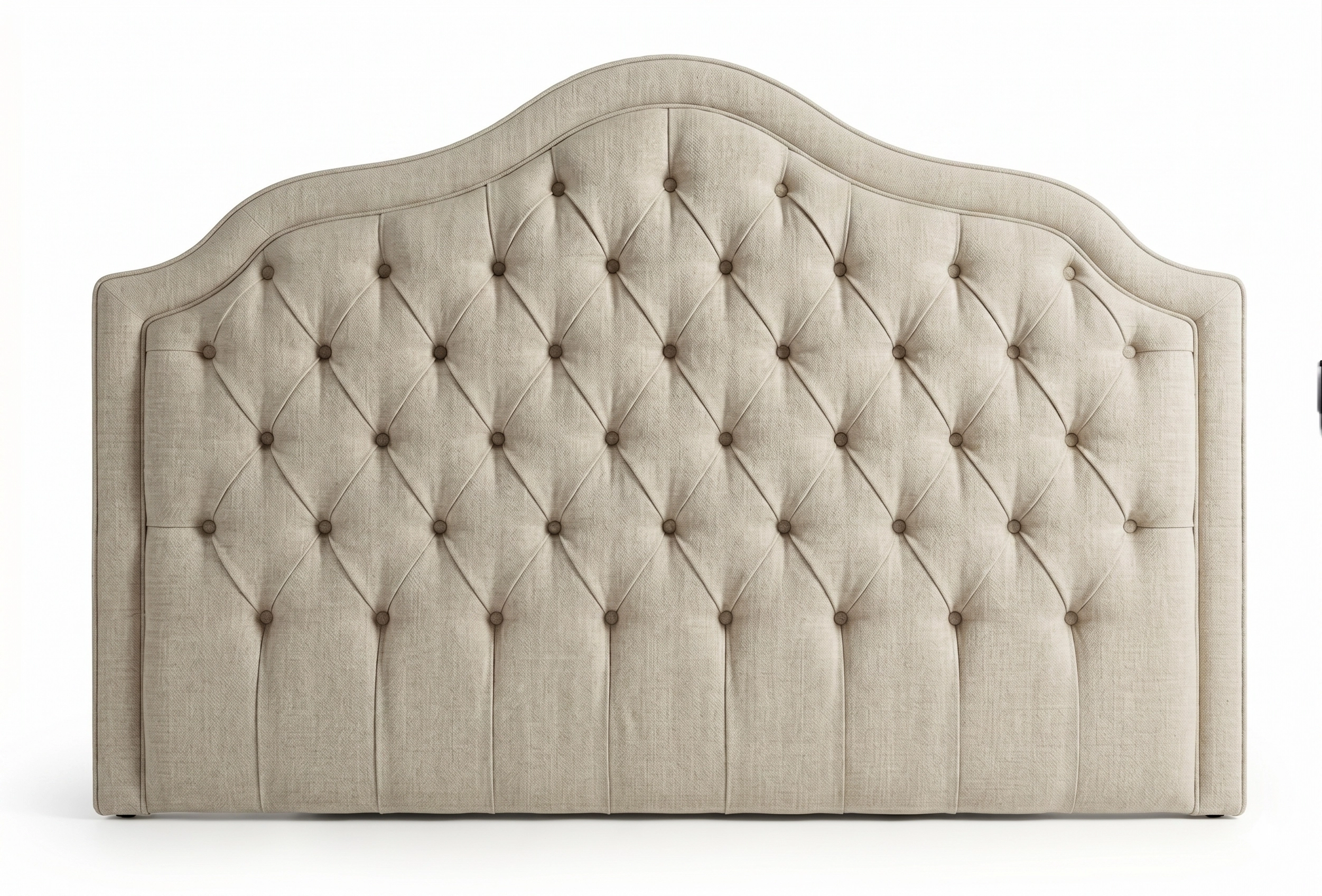
Arched with Shoulders
Two raised square corner posts with a smooth single arch that rises from each shoulder and meets at a central peak. This style combines the elegance of a curved silhouette with the grounded structure of defined corner posts — a refined, versatile profile at home in both transitional and traditional interiors.
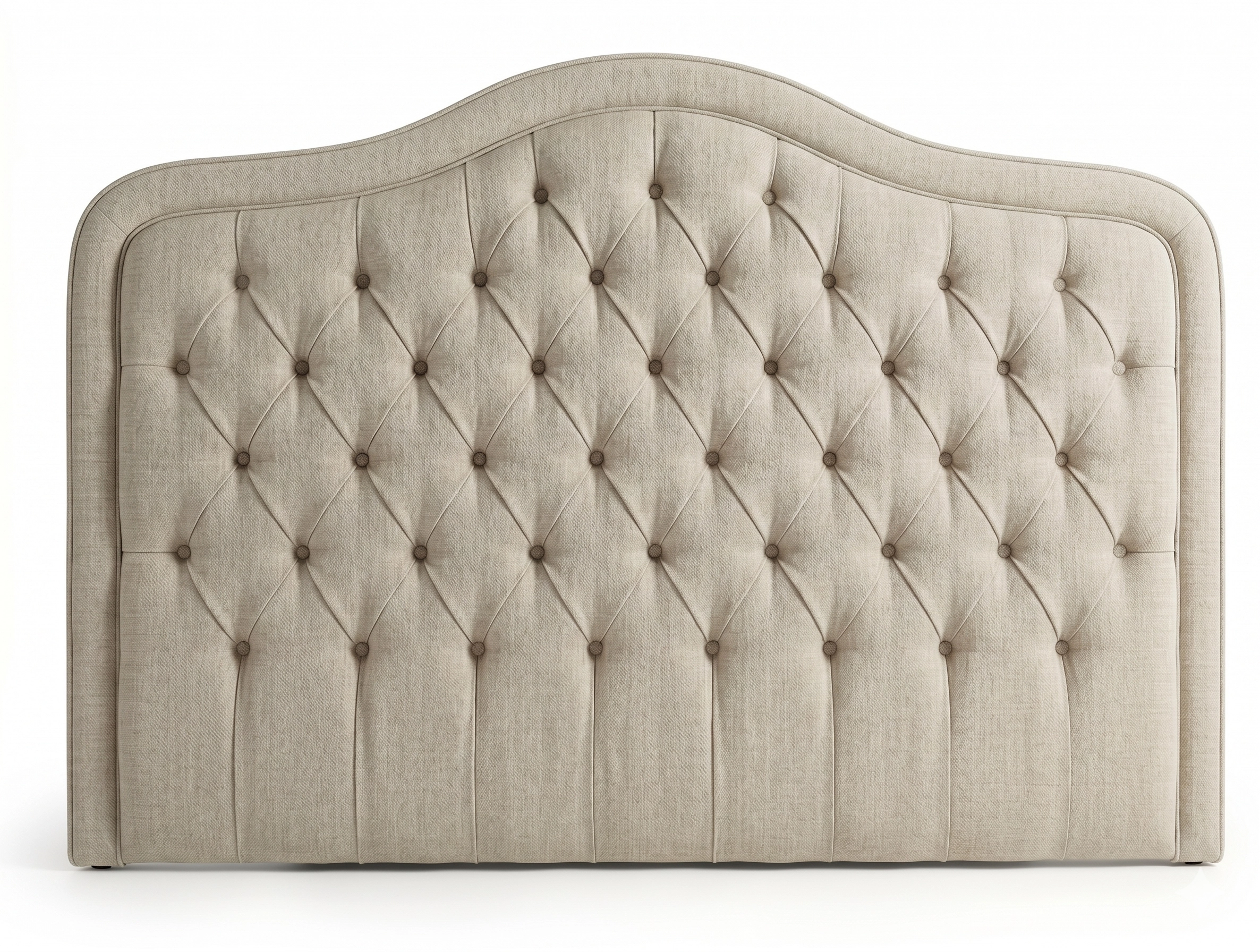
Flat Arch
Similar to the Arched with Shoulders, but the arch is much flatter and wider with less rise at the center and less defined shoulders. Where the Arched with Shoulders has a more prominent rise, the Flat Arch reads as quieter and more restrained, suiting it to a broader range of bedroom scales and styles.
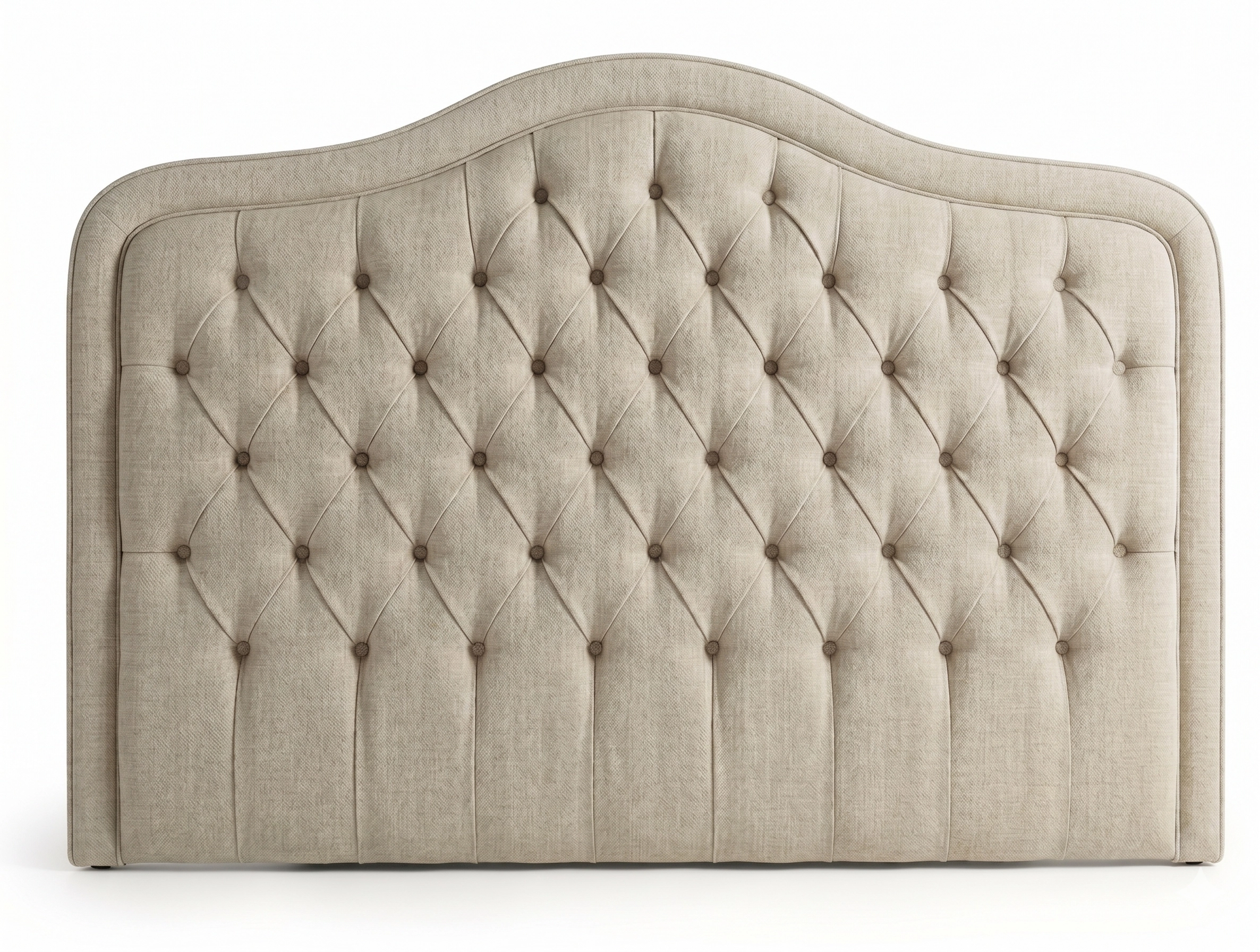
Gabled
Two straight diagonal lines rise from flat shoulders to meet at a gentle central peak — like a simple roofline, with no curve at all. This architectural shape adds quiet drama and is particularly effective when upholstered in a solid, texture-rich fabric that lets the clean geometry speak for itself.
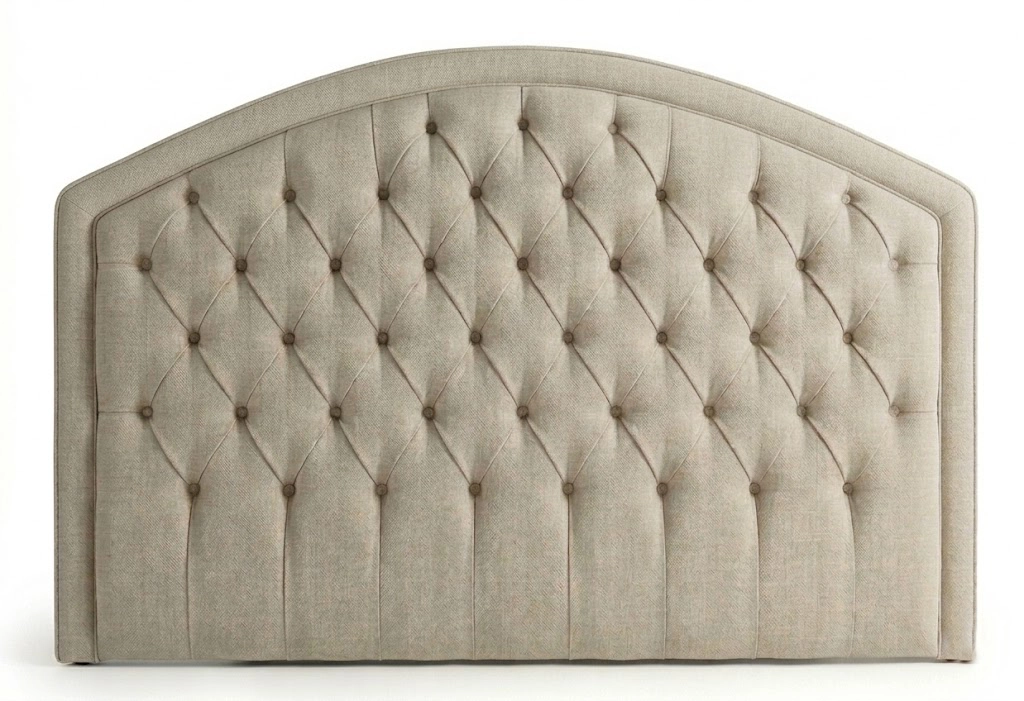
Shallow Arch
A very subtle, nearly flat single arch across the top with squared corners — almost rectangular but with the faintest curve. The restrained profile gives this headboard a quiet sophistication, letting the fabric and finish take center stage. An understated choice well-suited to both contemporary and transitional interiors.
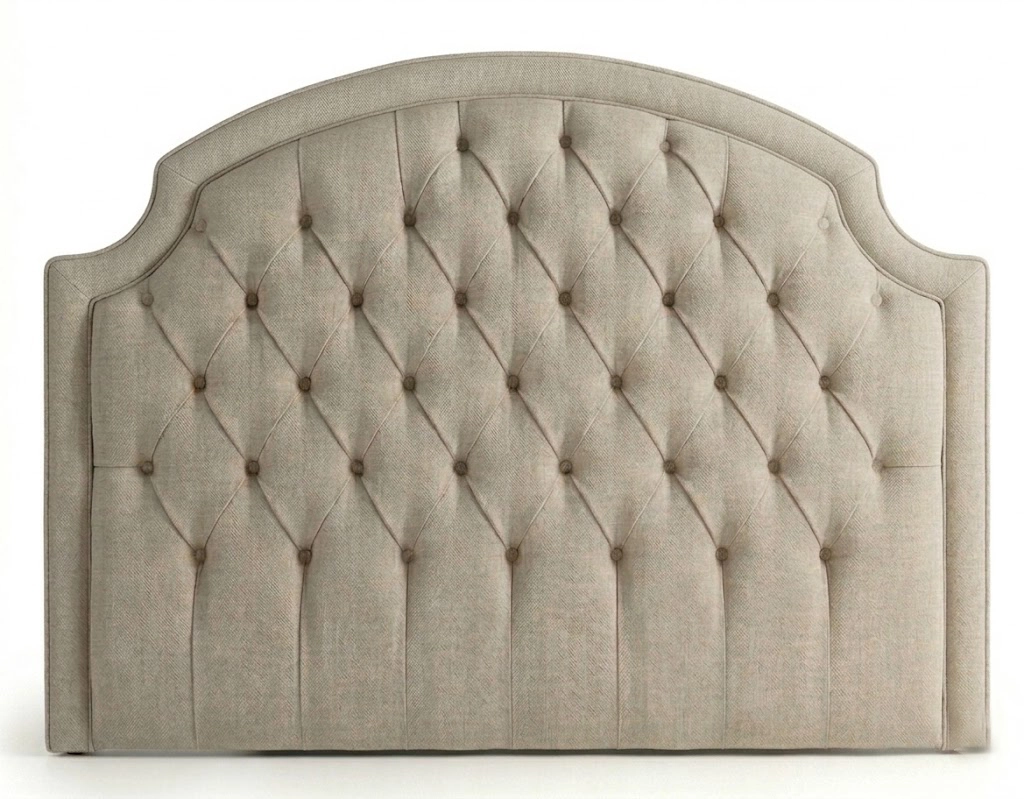
Sweeping Arch
A broad arch that rises from notched corners, creating a smooth continuous curve to the top. The corners have a distinct inward notch before the arch begins, giving it a more architectural quality than a simple semicircle. The generous curvature makes this a commanding, luxurious style that fills a wall beautifully in high-ceilinged rooms.
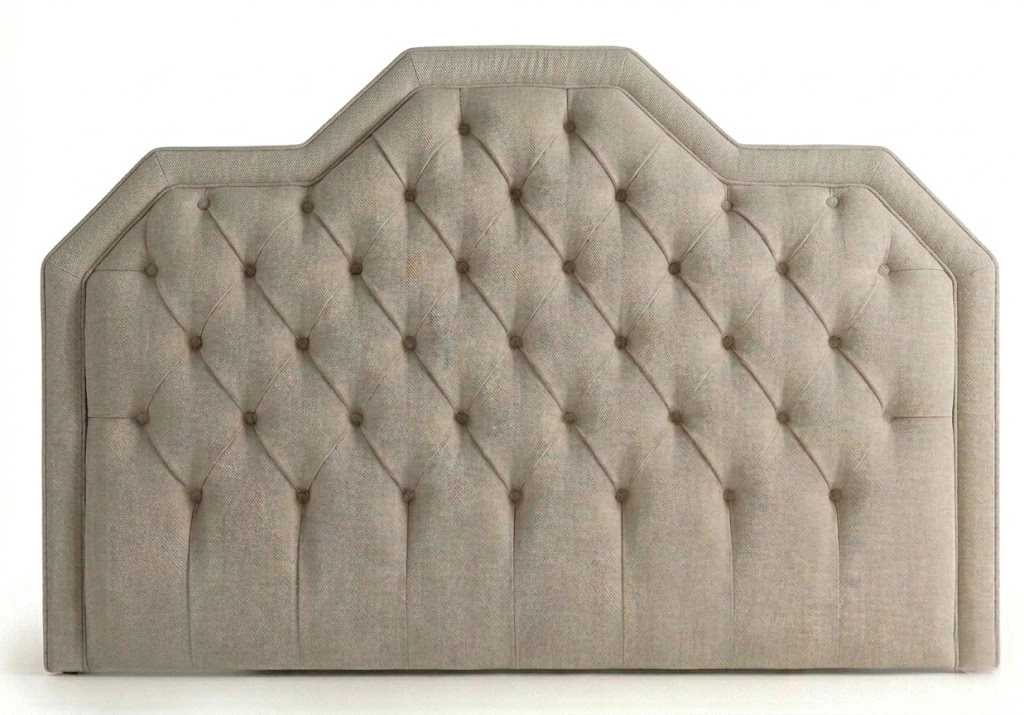
Step Shoulder
A flat-topped rectangular headboard with step-down shoulders that create a tiered, rectangular silhouette across three distinct horizontal levels. A clean, modern profile referencing mid-century and Art Deco furniture traditions, well-suited to contemporary and minimalist interiors where strong geometry is the design language.
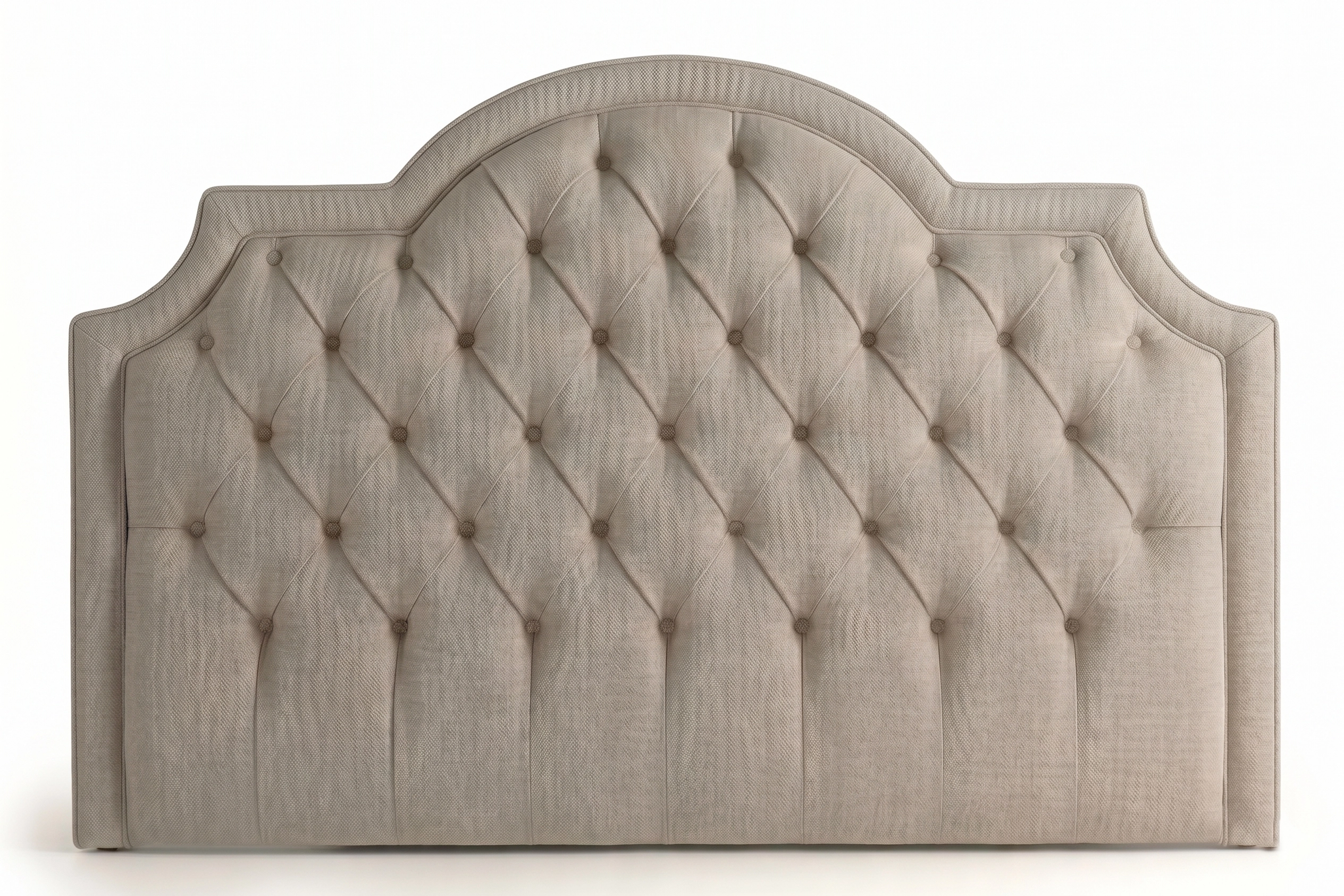
Tiered Panel
Similar to the Step Shoulder, but the shoulders have a curved notch cut into them rather than a straight step — giving a more decorative transition between levels. This more elaborate variation adds greater depth and architectural presence, referencing both Art Deco paneling and classical pilaster detailing.
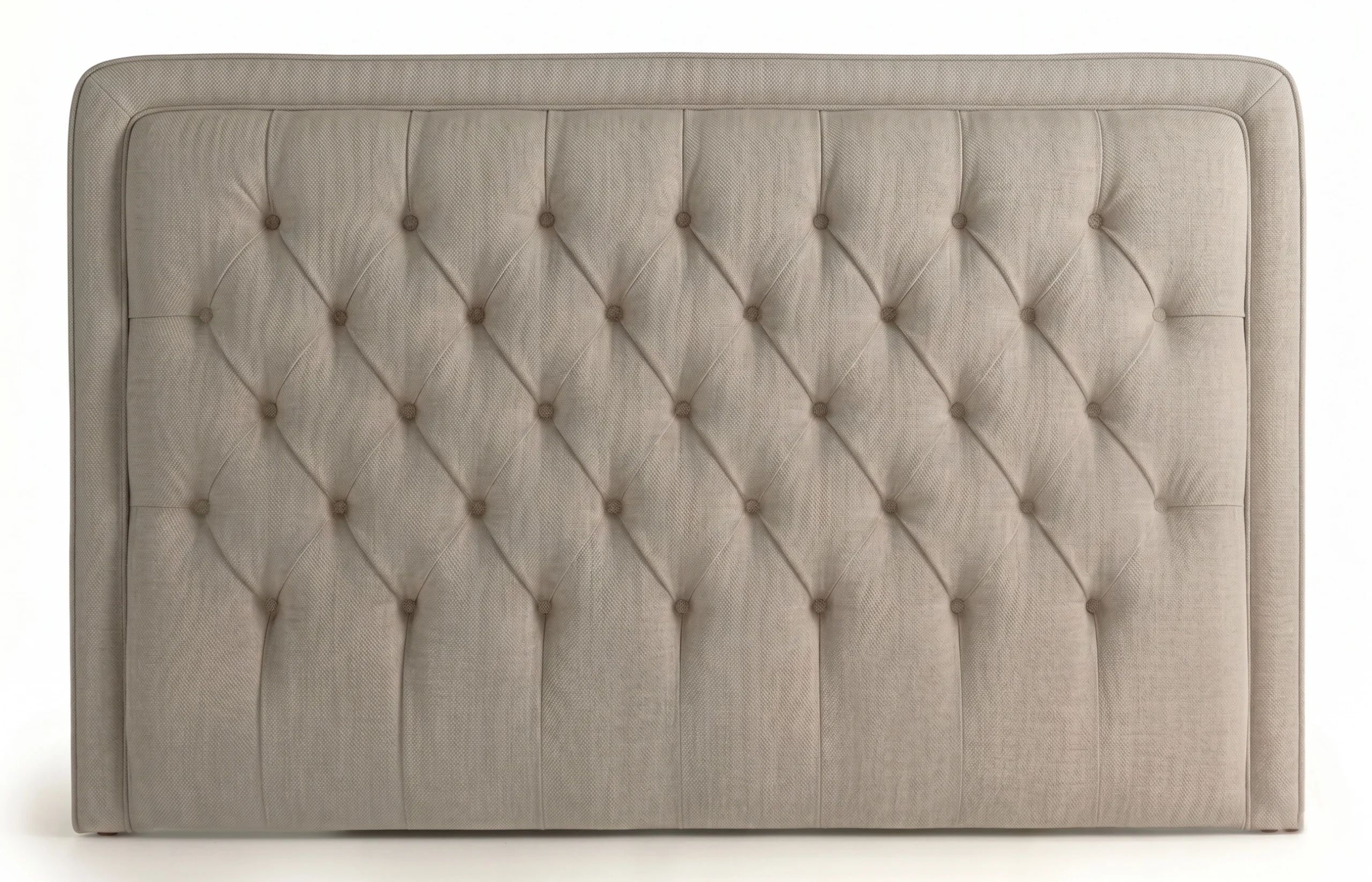
Rounded Panel
A simple rectangle with softly rounded corners and no other shaping — the most straightforward and widely used upholstered headboard profile. The gentle corner radius prevents the shape from reading as too rigid or boxy while remaining thoroughly tailored. Highly adaptable across modern, transitional, and traditional interior contexts.
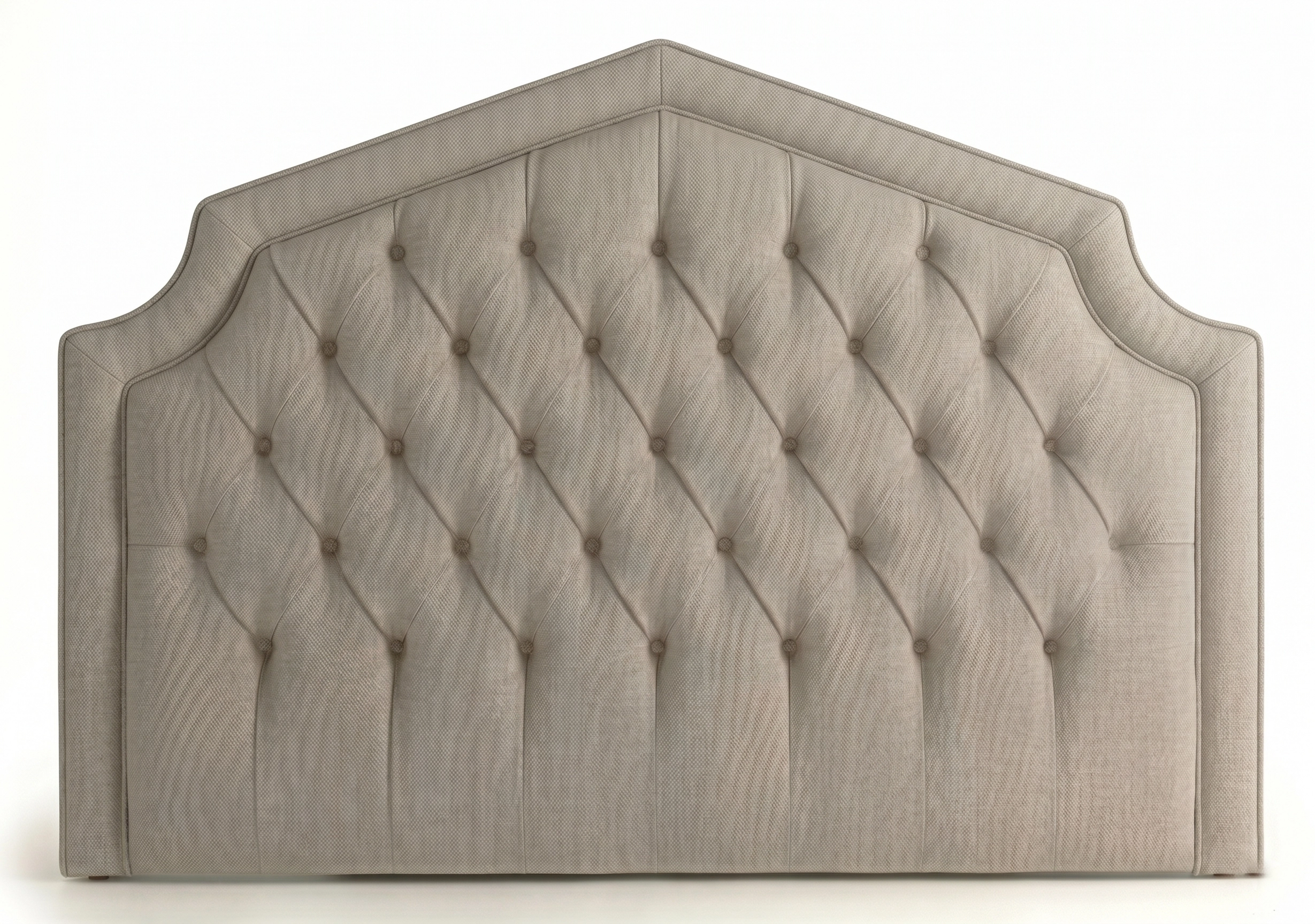
Pediment
A flat top with angled sides that slope outward going down, then step out to squared shoulders — directly referencing the classical architectural pediment found above columns and doorways. The broad, stepped shoulders and straight inclined edges give this headboard a bold, formal presence ideal for grand or statement bedrooms.
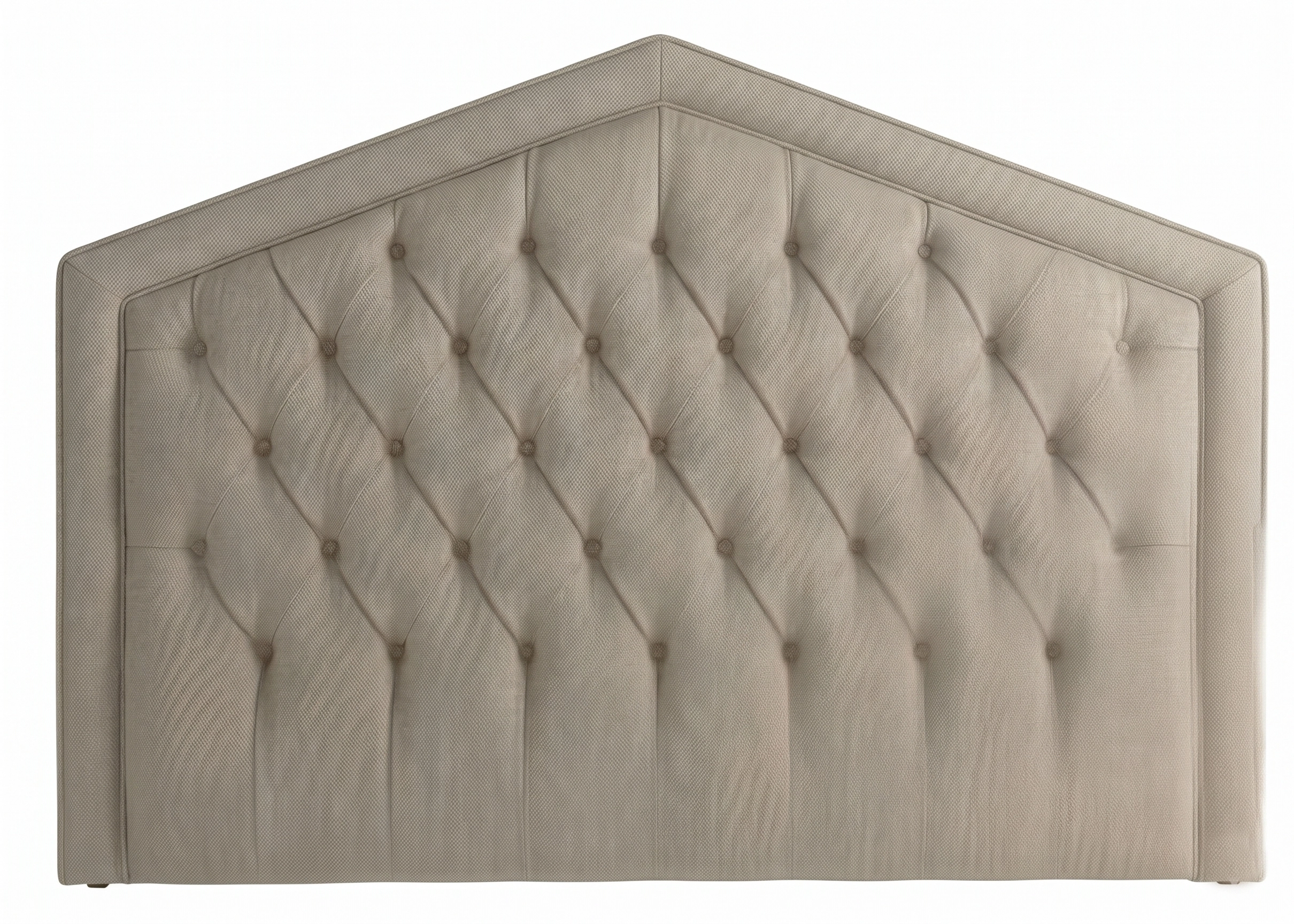
Pointed Gable
Two straight diagonal lines meeting at a sharp central point, forming a clean triangle with no shoulders. Strongly architectural and graphic in character, this profile references Gothic Revival and ecclesiastical design traditions. Makes a powerful statement, particularly when paired with deeply buttoned upholstery. See also: Notched Gable.
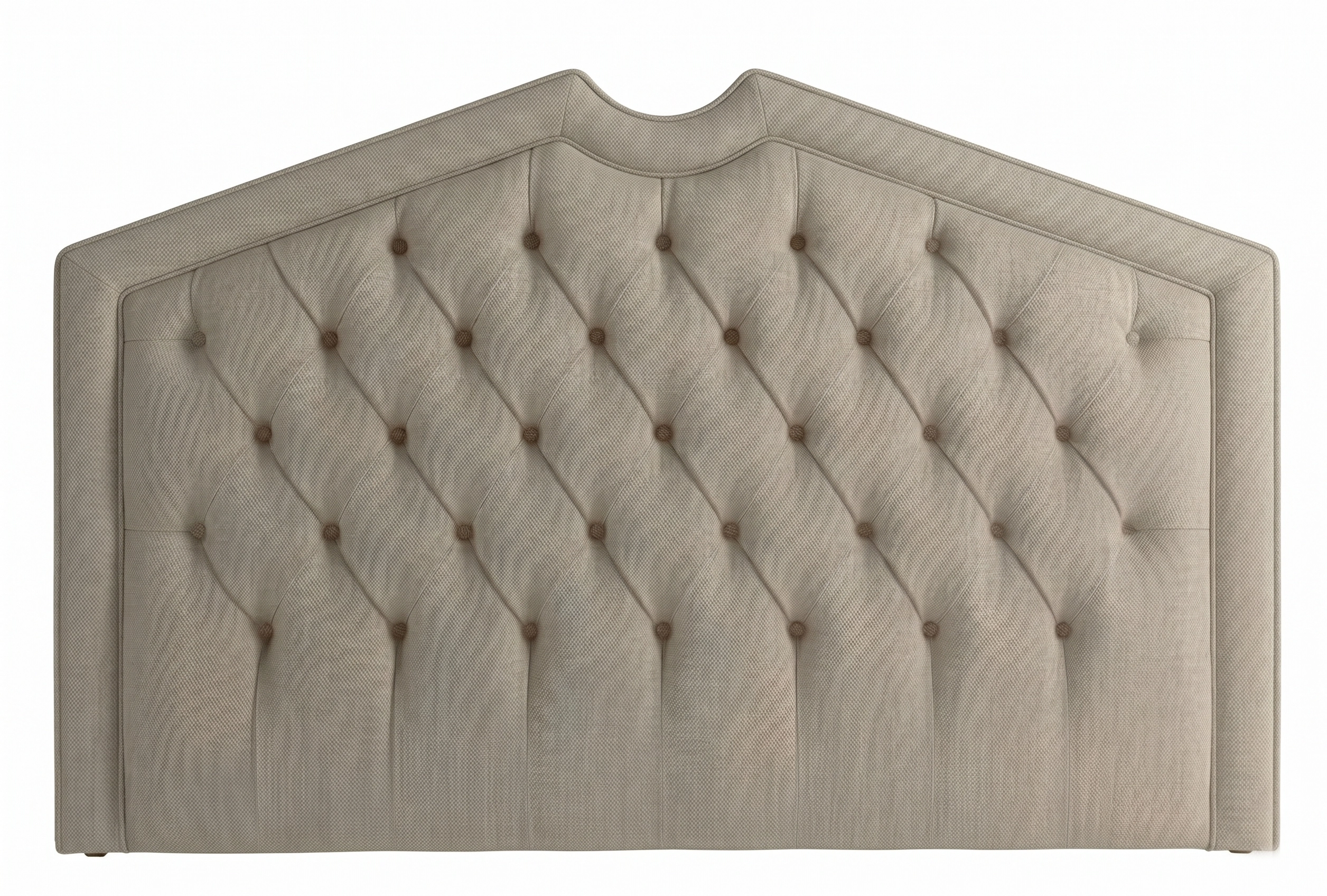
Notched Gable
Identical to the Pointed Gable but with a small rounded notch cut into the very tip of the apex — a subtle detail that softens the peak and introduces a touch of ornamental character. This refined variation suits interiors that want architectural interest with a hint of decorative whimsy. See also: Pointed Gable.
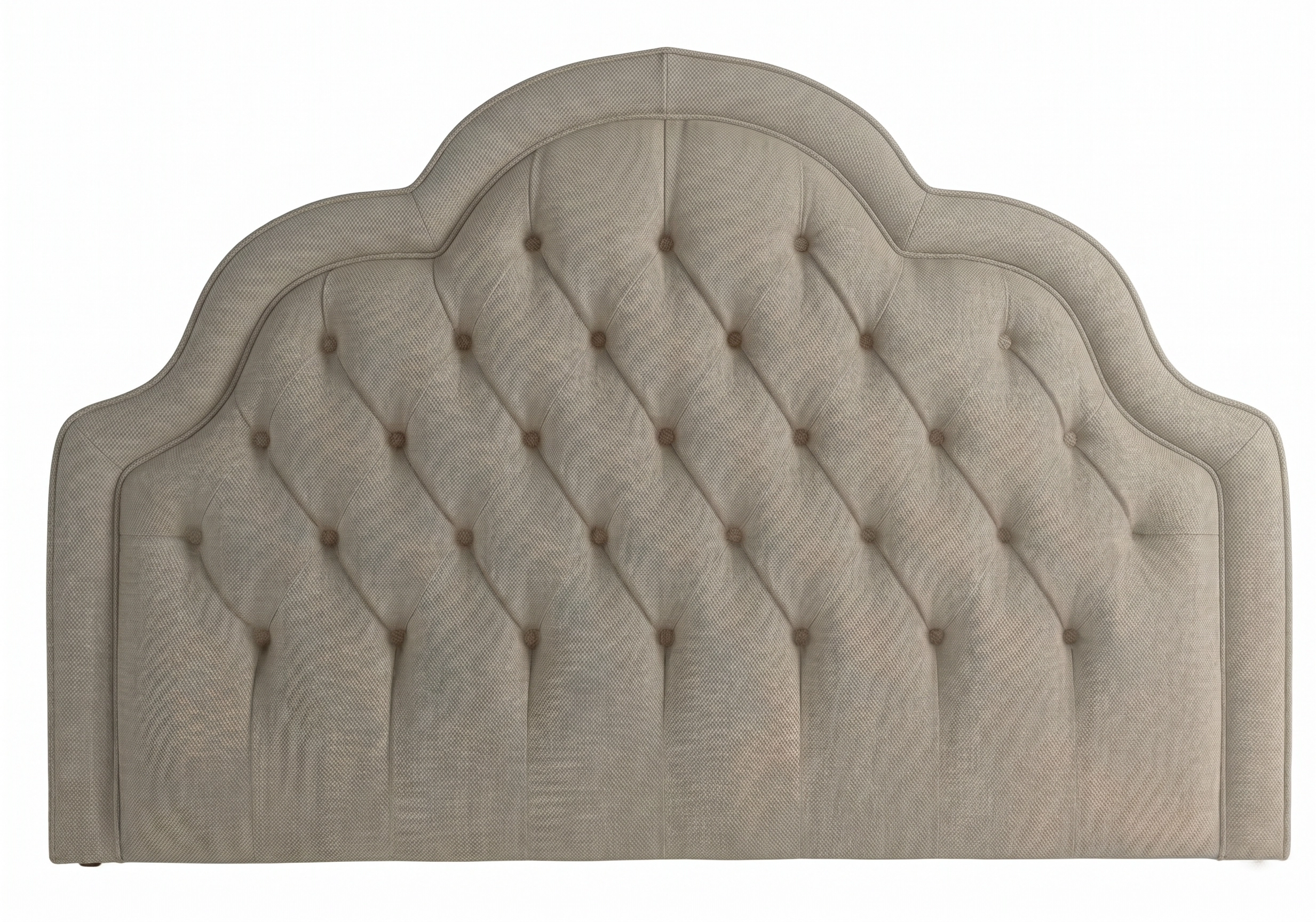
Triple Lobed
Three large rounded lobes across the top — similar to the Triple Scallop but with taller, more pronounced lobes and rounded bottom corners. A romantic and exuberant silhouette drawing from Victorian and Edwardian decorative traditions, bringing softness and personality to the head of the bed.
We hope this guide helps you choose the right headboard profile for your next project.
We have put this information in a downloadable PDF card so you can print it and keep it in your files!