
Jo-Vin Window Treatment Specialists
Drapery Hardware Basic Components
Every successful drapery installation starts with the right parts. Here's a complete breakdown of the components that make it all work.
Jo-Vin's commercial drapery hardware is engineered for the stability and longevity required in high-use hospitality environments. Components will vary depending on drapery style, hardware installation method, and motorization — but this guide covers everything you need for a standard commercial drape installation.
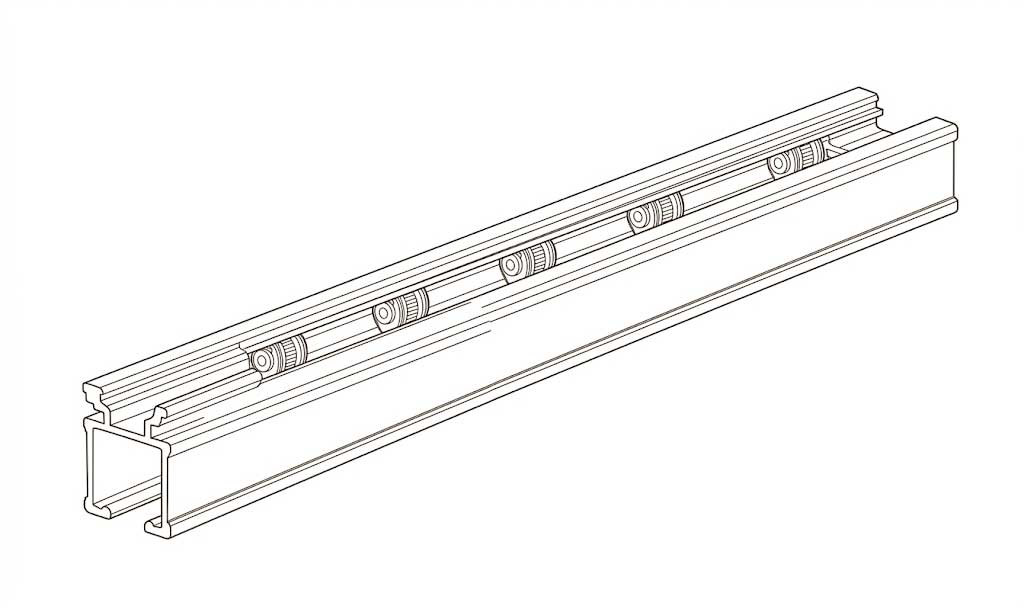
Hardware Track
The backbone of every drapery installation. Jo-Vin's aluminum hardware track ensures smooth, reliable operation of drapery panels throughout the life of the installation. Track must be supported with brackets every thirty inches to maintain structural integrity and proper alignment.
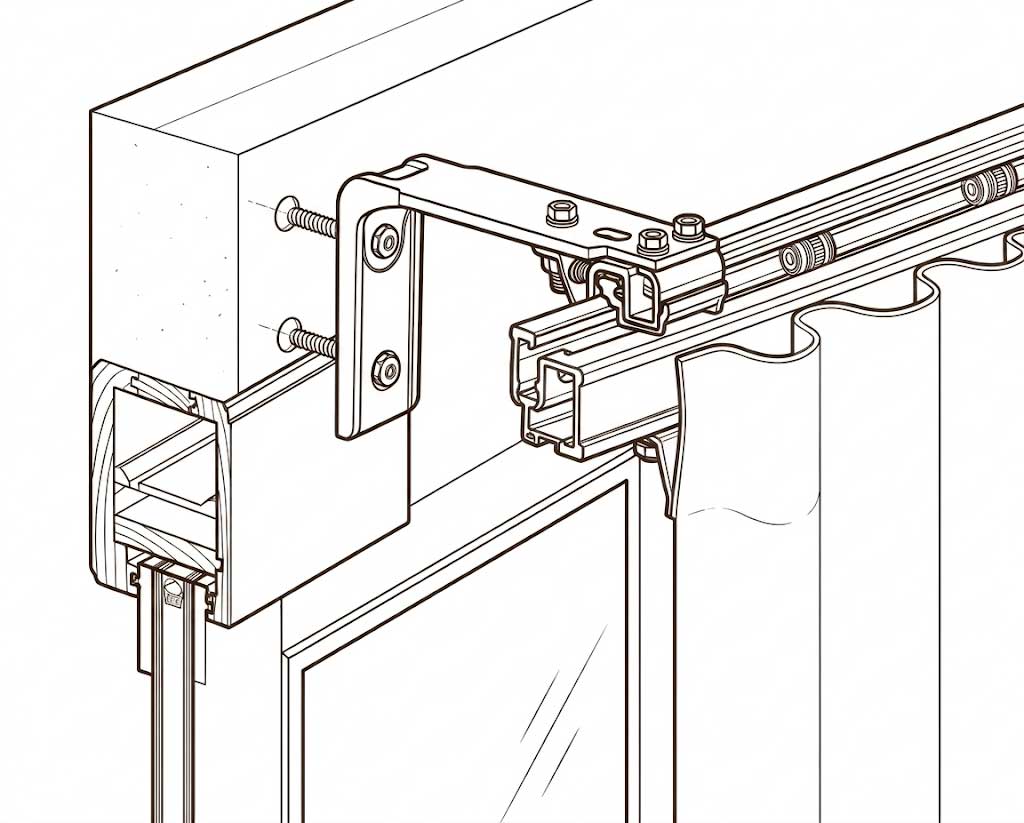
Wall Bracket
Fastens the track securely to the wall or ceiling via a c-clamp mechanism. The adjustable width allows installers to maintain a perfectly level and accurate installation regardless of wall conditions or minor surface variations.
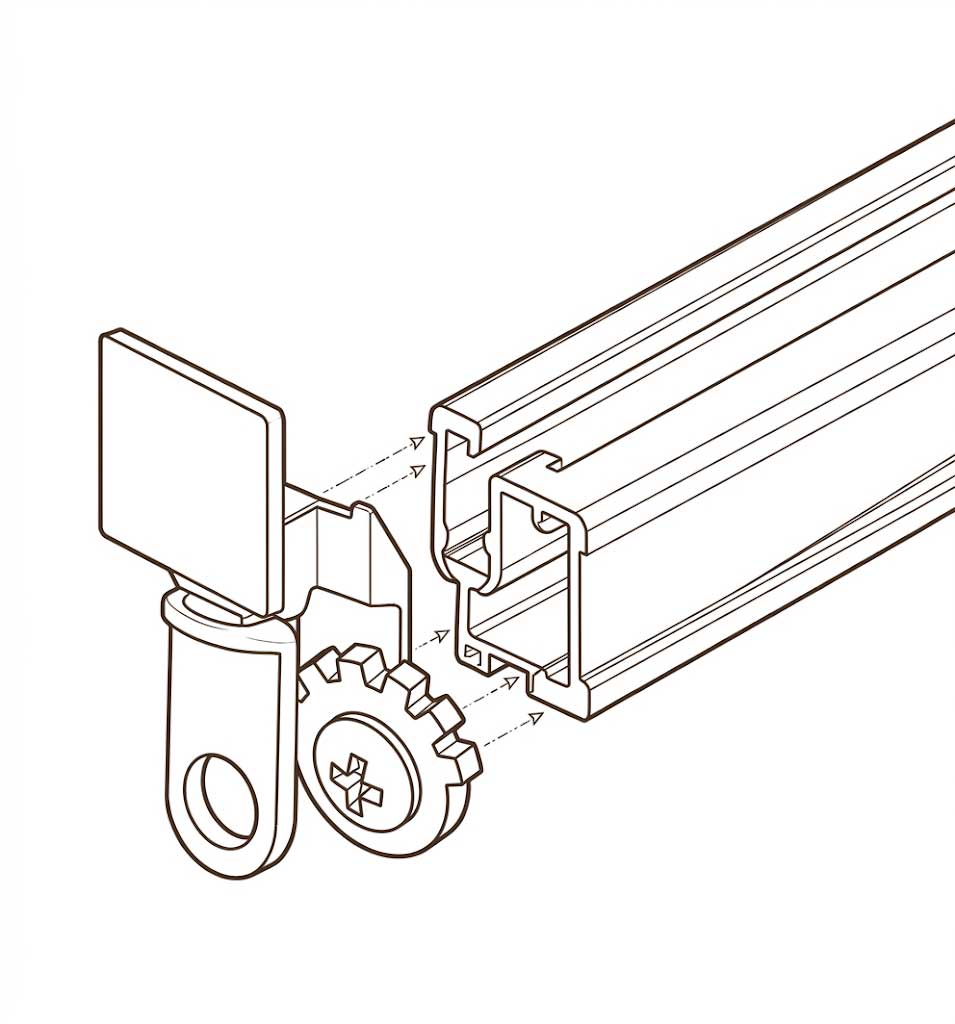
End Stop
Positioned at each end of the track to keep carriers within bounds. The end stop holds the stationary portion of the drapery panel in place while the traversing panel moves freely across the window — preventing the panel from sliding off the track.
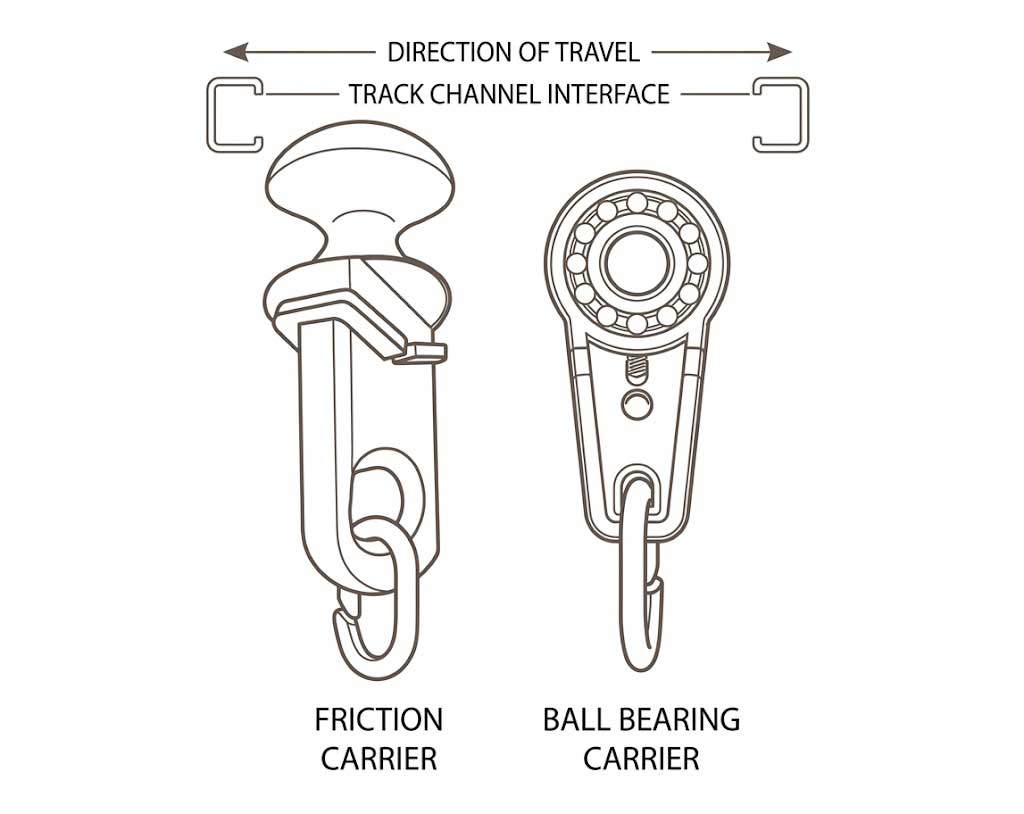
Drapery Carrier (Friction / Ball Bearing)
Carriers are what allow drapery panels to glide smoothly along the track. Stationary panels use friction carriers, which hold their position without moving. Traversing panels use ball bearing carriers, which roll along the track with minimal resistance for effortless operation.
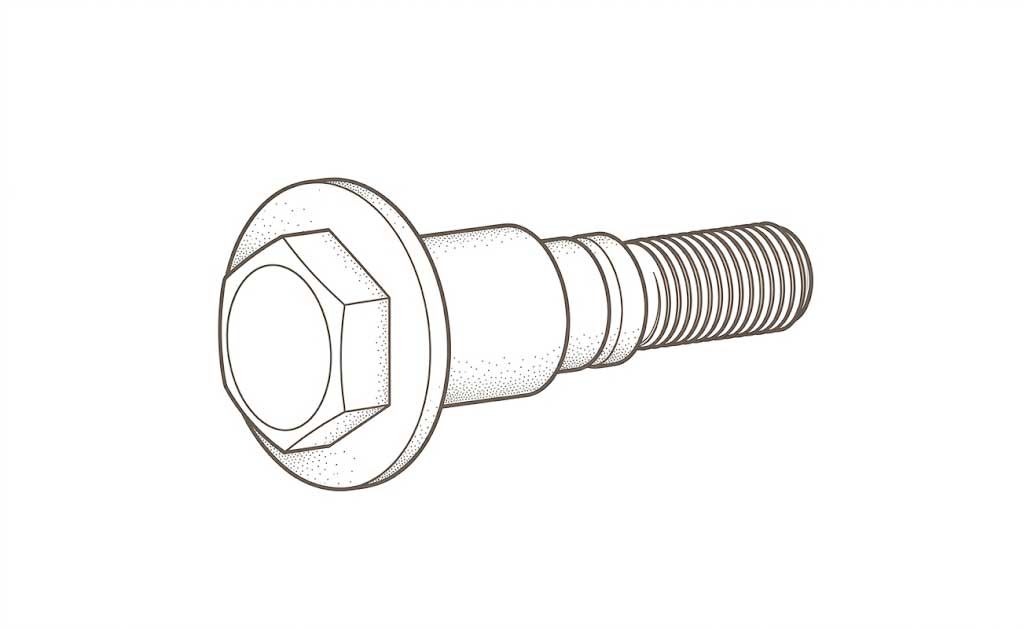
Drapery Shoulder Screw
A specialized fastener that secures the baton and its adapter to the drapery stiffener through the metal grommet at the leading edge of the panel. The shoulder design ensures a secure connection without damaging the fabric or stiffener.
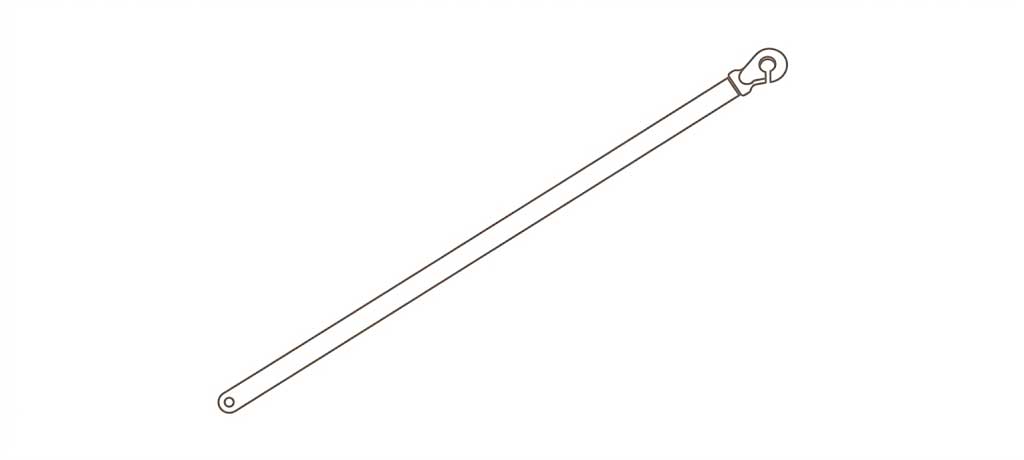
Baton
Typically 36 inches in length and available in white fiberglass or clear acrylic. The baton attaches to the drapery stiffener via an adapter and shoulder screw, giving guests a clean and ergonomic way to open and close panels. Open loop end design ensures ADA compatibility.
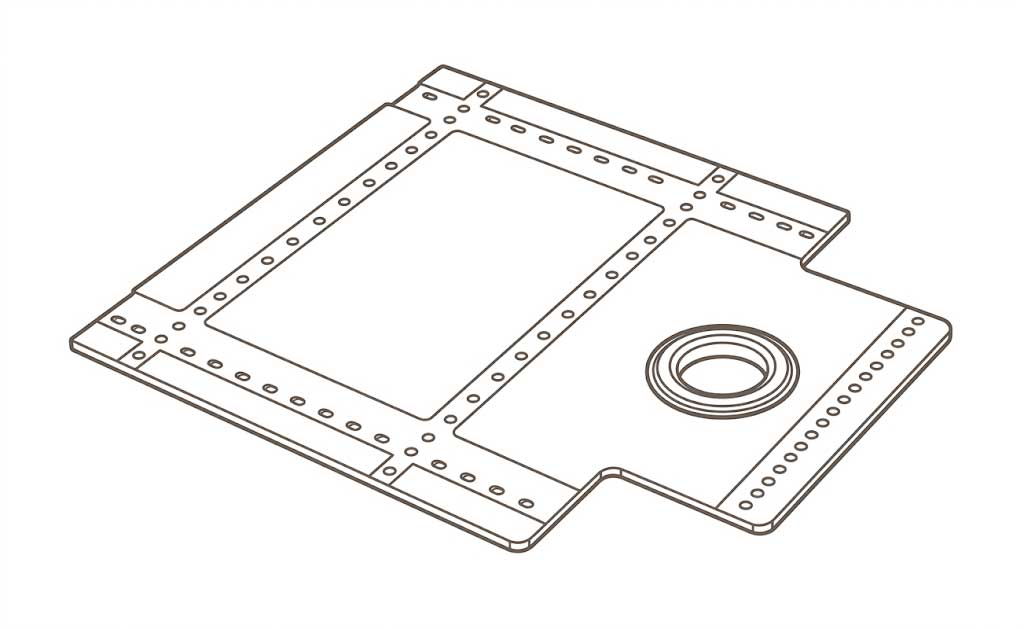
Stiffener
A rigid insert sewn directly into the leading edge of each drapery panel. The stiffener provides the structural support needed to connect the panel to the master carrier and ensures the leading edge hangs cleanly and consistently without sagging or bowing.
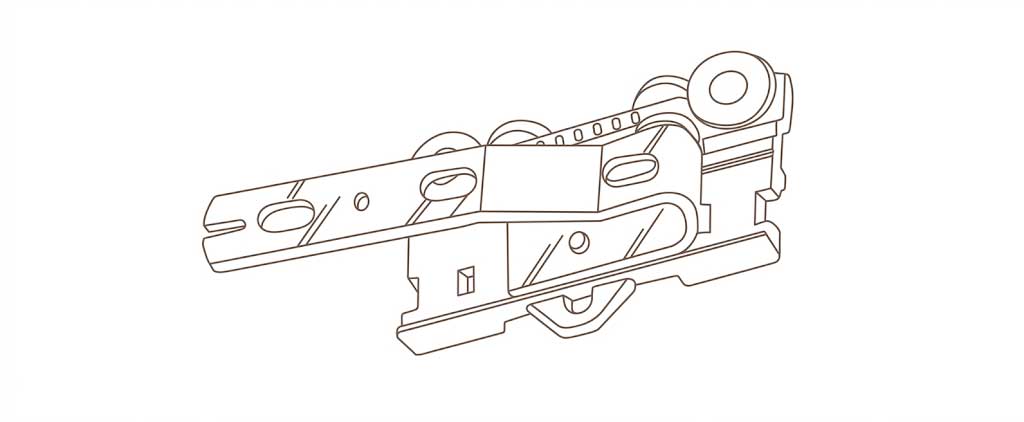
Drapery Master Carrier
The master carrier leads each drapery panel along the track and serves as the primary connection point between the panel, the stiffener, and the baton. Master carriers are modified for either right or left panel orientation and are the key moving component in any traversing drapery system.
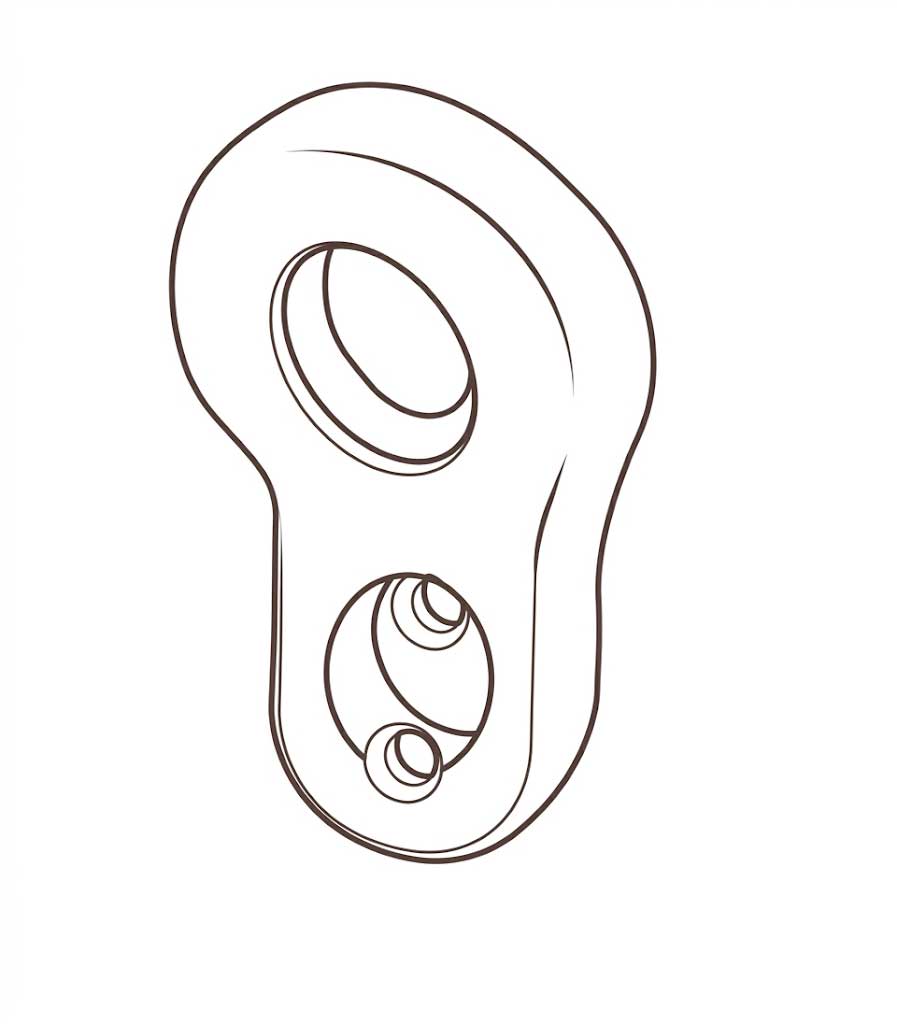
Adapter
The adapter serves as the connecting interface between the baton and the master carrier. It allows the baton to pivot and move naturally with the panel while maintaining a secure attachment — ensuring smooth, consistent operation every time the drape is opened or closed.
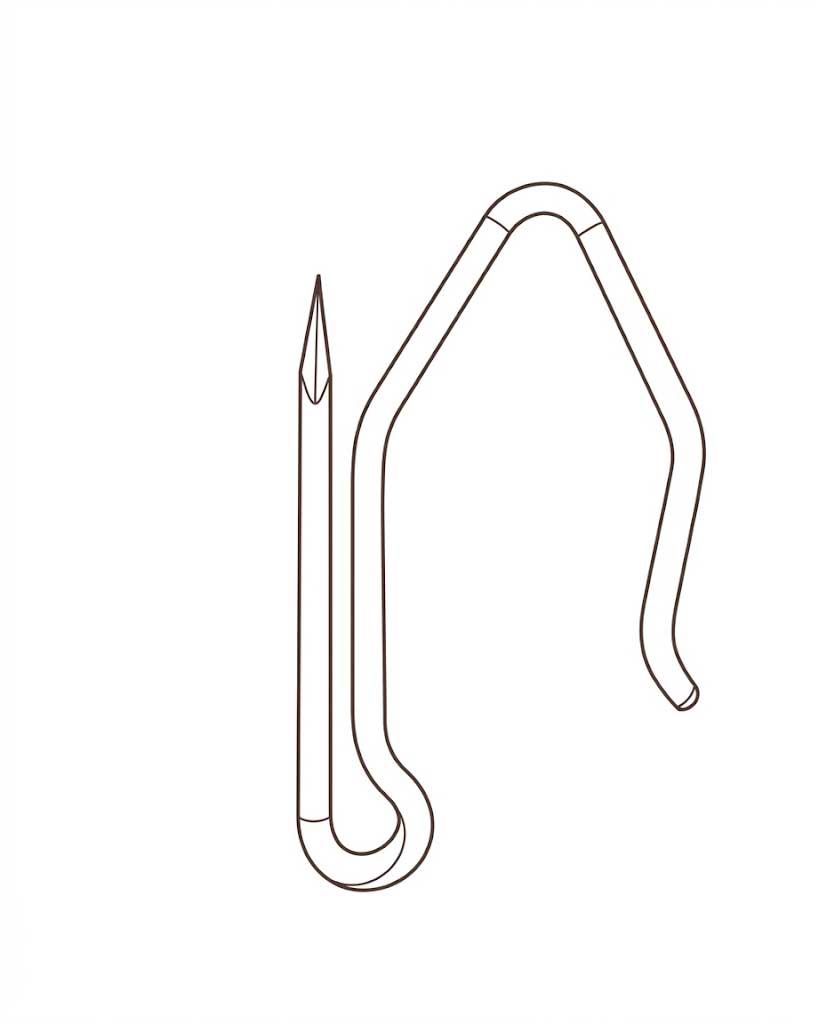
Pin Hook
Used to attach pleated drapery panels to the hardware track. The pin is inserted behind the pleat of the fabric and the hooked end clips into the ball bearing carriers along the track — providing a secure, clean attachment that keeps pleats evenly spaced and properly aligned.