
Custom Window Treatments - New York
Cornice Styles
From fabric selection to silhouette, every detail of a cornice is yours to define. Explore the styles, shapes, and specifications that go into every cornice we craft — so you can design with clarity and confidence.
You're in good company






Everything You Need to Specify the Perfect Cornice
From foundational shapes to intricate cutout profiles, cornices are one of the most customizable window treatments available. Explore the styles and details that go into every cornice we produce — so you can specify with precision and present your vision with confidence.
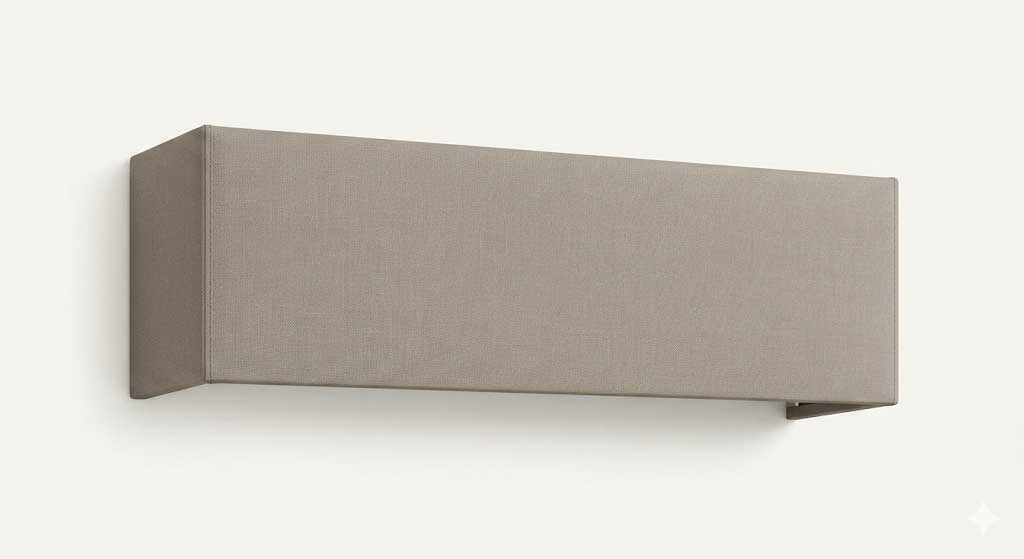
Straight Cornice
Clean lines meet timeless structure. The straight cornice is a classic rectangular frame — open at the back and bottom — with a crisp, flat front face crafted from plywood or MDF. Fabric is neatly wrapped around the entire frame, giving it a polished, upholstered look. Simply select your face fabric, and the interior is finished with a coated blackout lining for a refined, light-controlling result.
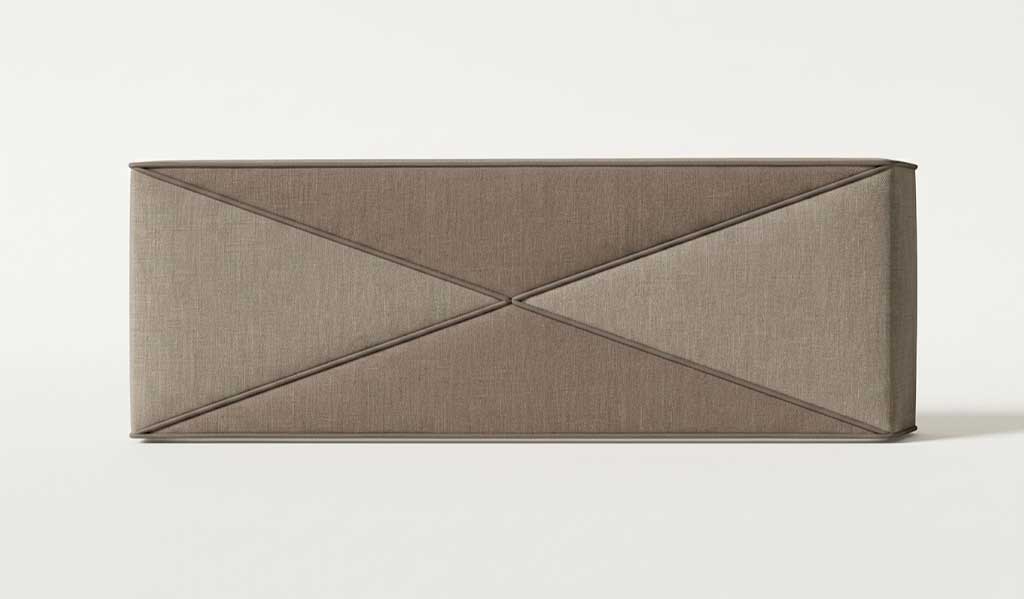
Diamond Cornice
A step beyond the classic straight cornice, the diamond cornice brings elegant visual interest to the face. Two complementary fabrics are precision-cut into triangular panels that meet at the center, creating a striking diamond or envelope pattern across the front. A carefully placed welt trim defines the seams, adding a tailored, couture-inspired finish that elevates any window treatment.
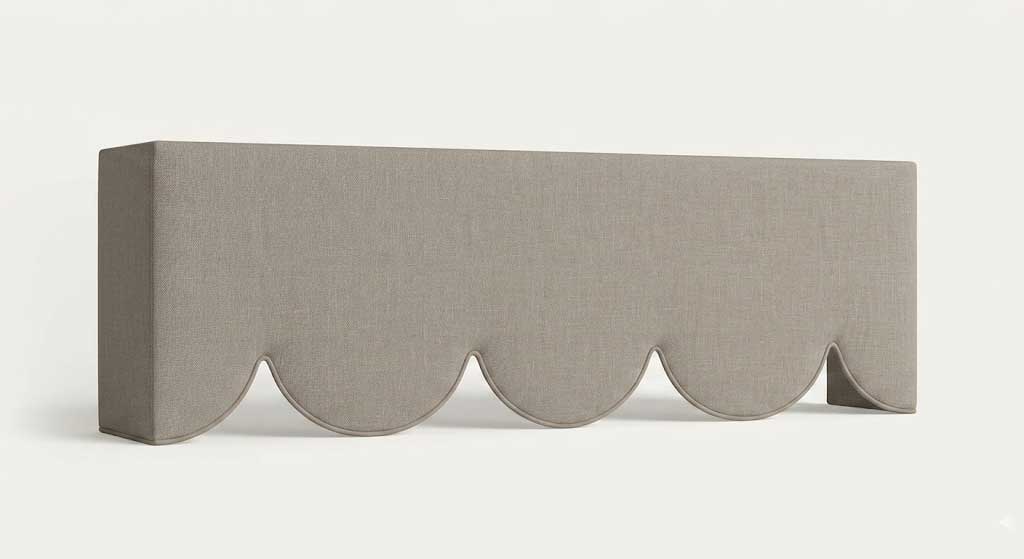
Scalloped Cornice
Inspired by the graceful curves of a scallop shell, this cornice style trades straight edges for a beautifully rhythmic bottom line. Soft, repeating radial curves flow across the front face, lending a romantic and decorative quality that works beautifully in traditional, coastal, or eclectic interiors. When ordering, you'll specify the number of scallop points and their depth, allowing the design to be perfectly proportioned to your window width.
Cutout Cornices
Cutout cornices build on the same foundational structure as standard styles, but are defined by two key design elements: arches, curves, and steps. The interplay between these elements creates an almost endless range of silhouettes.
Because every cutout cornice is highly customized, precision matters, you'll need to define the number of steps, curve placement and apex, cutout depth, and how these elements relate across the full width of the cornice.
The illustrations below cover the most common variations, but consider them a starting point. Curves and steps can be combined in any configuration, the possibilities are yours to craft.
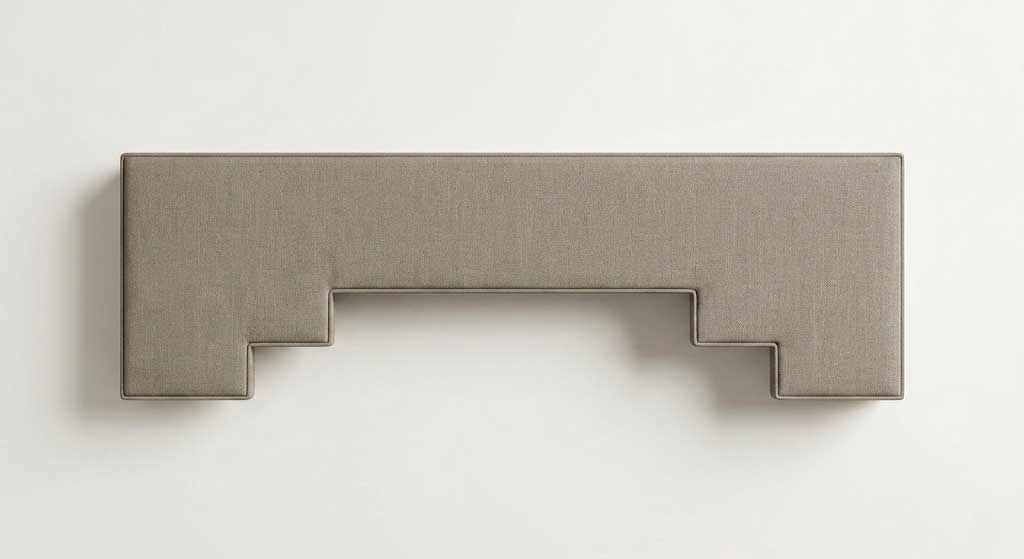
Step Straight Cornice
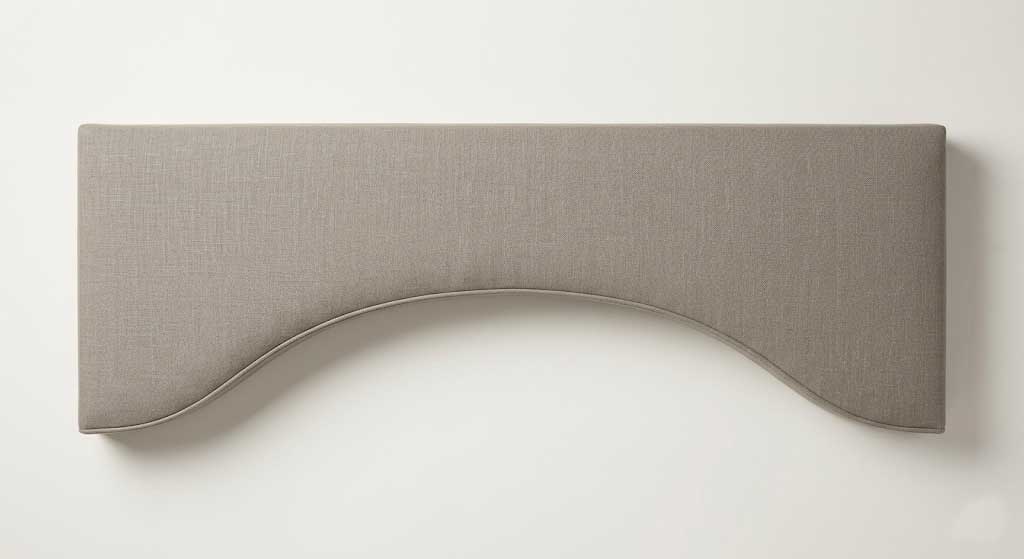
Arched Cornice
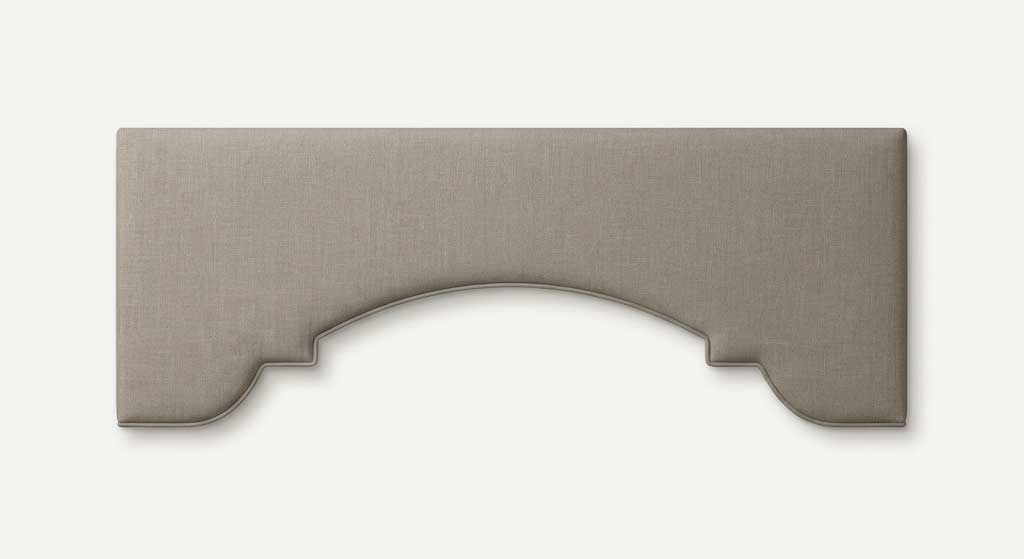
Step Arched Cornice
Step Arched Cornice
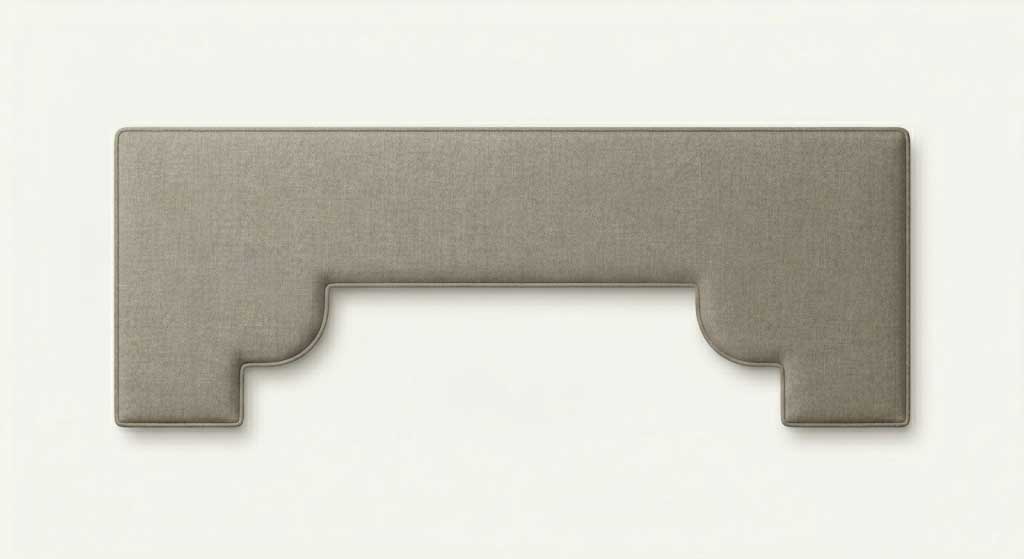
Curve Step Arched Cornice
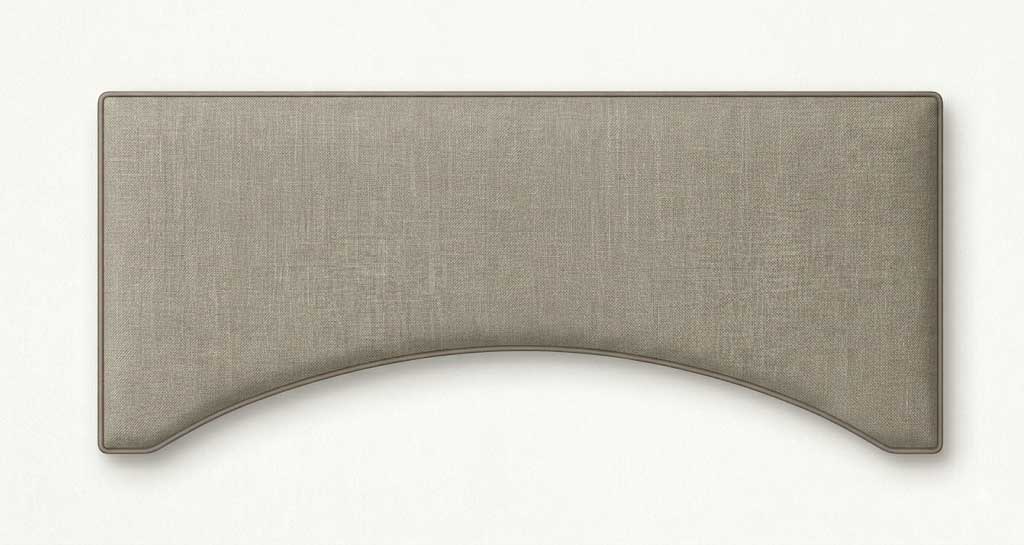
Inset Arched Cornice